Advertisement
 4:29
4:29
Transcript
0:07
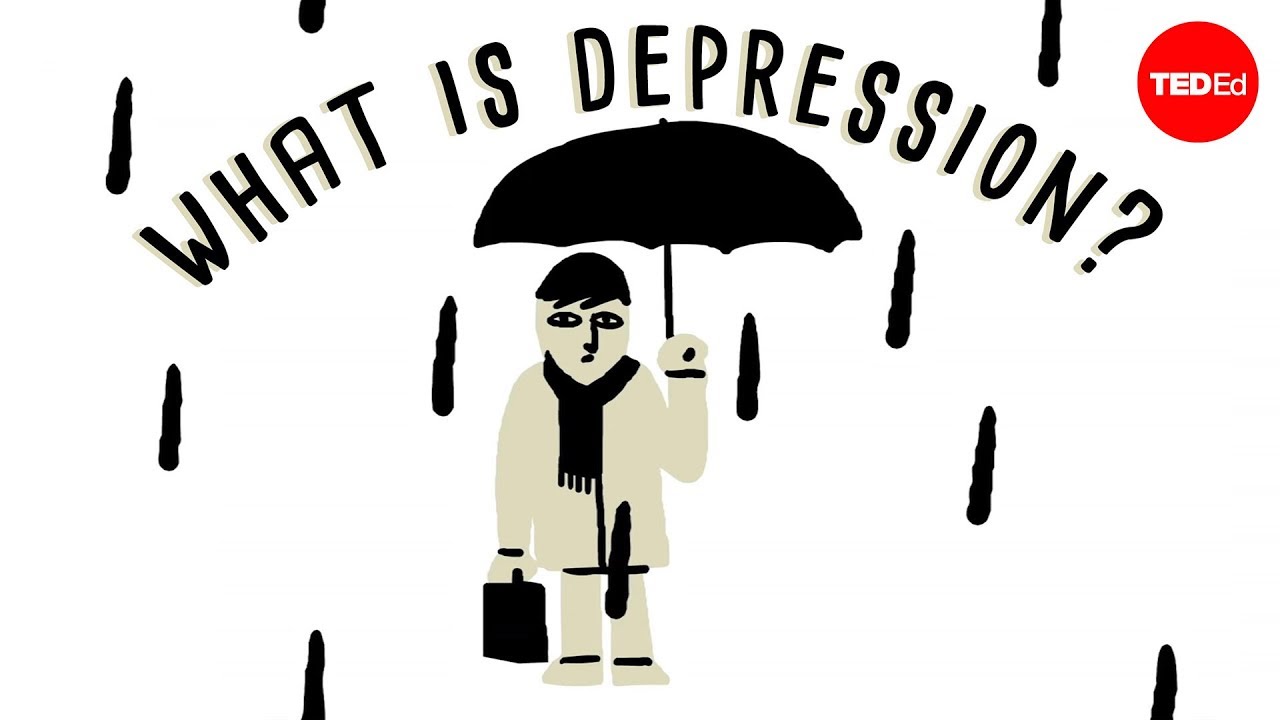
Depression is the leading cause
of disability in the world.
0:11
In the United States,
0:12
close to 10% of adults
struggle with depression.
0:15
But because it's a mental illness,
0:17
it can be a lot harder to understand
than, say, high cholesterol.
0:21
One major source of confusion is
the difference between having depression
0:25
and just feeling depressed.
0:27
Almost everyone feels down
from time to time.
Advertisement
0:31
Getting a bad grade,
0:32
losing a job,
0:33
having an argument,
0:34
even a rainy day can bring on
feelings of sadness.
0:38
Sometimes there's no trigger at all.
0:39
It just pops up out of the blue.
0:42
Then circumstances change,
0:43
and those sad feelings disappear.
0:46
Clinical depression is different.
0:48
It's a medical disorder,
Advertisement
0:49
and it won't go away
just because you want it to.
0:52
It lingers for at least
two consecutive weeks,
0:55
and significantly interferes
with one's ability to work,
0:58
play,
0:59
or love.
1:00
Depression can have a lot
of different symptoms:
1:03
a low mood,
1:04
loss of interest in things
you'd normally enjoy,
1:06
changes in appetite,
1:08
feeling worthless or excessively guilty,
1:10
sleeping either too much or too little,
1:13
poor concentration,
1:15
restlessness or slowness,
1:17
loss of energy,
1:18
or recurrent thoughts of suicide.
1:21
If you have at least five
of those symptoms,
1:23
according to psychiatric guidelines,
1:25
you qualify for a diagnosis of depression.
1:28
And it's not just behavioral symptoms.
1:31
Depression has physical manifestations
inside the brain.
1:35
First of all,
1:36
there are changes that could be seen
with the naked eye
1:39
and X-ray vision.
1:40
These include smaller frontal lobes
and hippocampal volumes.
1:44
On a more microscale,
1:46
depression is associated
with a few things:
1:49
the abnormal transmission or depletion
of certain neurotransmitters,
1:53
especially serotonin, norepinephrine,
and dopamine,
1:56
blunted circadian rhythms,
1:58
or specific changes in the REM
and slow-wave parts of your sleep cycle,
2:03
and hormone abnormalities,
2:05
such as high cortisol and deregulation
of thyroid hormones.
2:10
But neuroscientists still don't have
a complete picture
2:12
of what causes depression.
2:15
It seems to have to do with a complex
interaction between genes and environment,
2:20
but we don't have a diagnostic tool
2:21
that can accurately predict where
or when it will show up.
2:26
And because depression symptoms
are intangible,
2:28
it's hard to know who might look fine
but is actually struggling.
2:32
According to the National Institute
of Mental Health,
2:34
it takes the average person
suffering with a mental illness
2:37
over ten years to ask for help.
2:41
But there are very effective treatments.
2:43
Medications and therapy complement
each other to boost brain chemicals.
2:47
In extreme cases,
electroconvulsive therapy,
2:50
which is like a controlled seizure
in the patient's brain,
2:53
is also very helpful.
2:55
Other promising treatments,
2:56
like transcranial magnetic stimulation,
2:59
are being investigated, too.
3:01
So, if you know someone
struggling with depression,
3:04
encourage them, gently, to seek out
some of these options.
3:08
You might even offer to help
with specific tasks,
3:11
like looking up therapists in the area,
3:13
or making a list of questions
to ask a doctor.
3:16
To someone with depression,
3:17
these first steps can seem insurmountable.
3:20
If they feel guilty or ashamed,
3:23
point out that depression
is a medical condition,
3:25
just like asthma or diabetes.
3:27
It's not a weakness
or a personality trait,
3:30
and they shouldn't expect themselves
to just get over it
3:33
anymore than they could will themselves
to get over a broken arm.
3:36
If you haven't experienced
depression yourself,
3:39
avoid comparing it to times
you've felt down.
3:42
Comparing what they're experiencing
to normal, temporary feelings of sadness
3:46
can make them feel guilty for struggling.
3:49
Even just talking about
depression openly can help.
3:52
For example, research shows that asking
someone about suicidal thoughts
3:57
actually reduces their suicide risk.
3:59
Open conversations about mental illness
help erode stigma
4:03
and make it easier
for people to ask for help.
4:06
And the more patients seek treatment,
4:08
the more scientists will learn
about depression,
4:10
and the better the treatments will get.
— end of transcript —
Advertisement