Advertisement
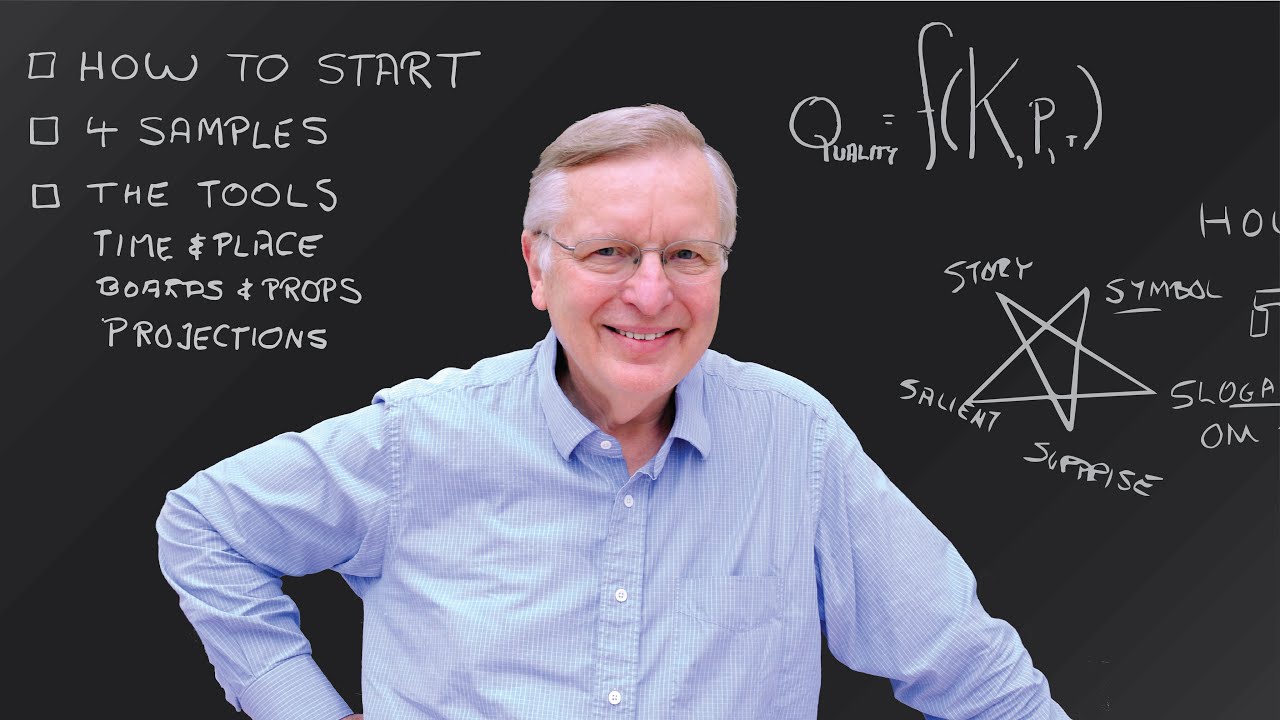 1:03:42
Transcript
0:00
[Music]
0:19
the uh uniform code of military
0:23
Justice specifies Court marshal for any
0:25
officer who sends a soldier into battle
0:28
without a weapon
0:30
there ought to be a similar protection
0:32
for students because students shouldn't
0:33
go out into life without an ability to
Advertisement
0:37
communicate and that's because your
0:39
success in life will be determined
0:40
largely by your ability to speak your
0:43
ability to write and the quality of your
0:46
ideas in that
0:49
order I know that I can be successful in
0:52
this
0:53
because the quality of
0:55
communication your speaking your writing
0:58
is largely determined by this
Advertisement
1:00
formula it's a matter of how much
1:03
knowledge you have how much you practice
1:06
with that knowledge and you're inherent
1:08
talent and notice that the tea is very
1:11
small what really matters is what you
1:14
know this point came to me U suddenly a
1:18
few decades ago when I was skiing at Sun
1:21
Valley I had heard that it was celebrity
1:24
weekend and one of the celebrities was
1:28
a was Mary L Reon famous Olympic gymnast
1:33
perfect tens in the vault and I heard
1:35
that she was an novice at skiing so when
1:38
the opportune moment arrived I looked
1:40
over on a novice slope and saw this
1:43
young woman who when she became
1:45
unbalanced went like that and I said
1:49
that's got to be her that must be the
1:52
gymnast but then it occurred to me I'm a
1:55
much better skier than she is and she's
1:57
an Olympic Athlete not only an ordinary
2:00
Olympic Athlete an outstanding
2:02
one and I was a better skier because I
2:04
had the K and I had the p and all she
2:08
had was the tea so you can get a lot
2:11
better than people who may have inherent
2:13
talents if you have the right amount of
2:16
knowledge so that's what my objective is
2:18
today and here's my promise today you
2:21
will see
2:22
some examples of what you can put in
2:25
your
2:26
armorium of speaking techniques
2:30
and it will be the casee that someone of
2:34
those examples some urtic some technique
2:37
maybe only one will make will be the one
2:40
that gets you the
2:41
job and so this is a very nonlinear
2:44
process you never know when it's going
2:46
to happen but that is my promise by the
2:48
end of the next 60 Minutes you'll been
2:52
exposed to a lot of ideas some of which
2:55
you'll incorporate into your own
2:57
repertoire and they will ensure that you
3:00
get the maximum
3:02
opportunity to uh have your
3:05
ideas uh valued and accepted by the
3:09
people you speak with now in order to do
3:12
that we have to have a rule of
3:15
Engagement and that
3:18
is no laptops no cell phones so if you
3:22
could close those I'll start up as soon
3:25
as you're
3:26
done some people ask why that uh is a is
3:29
a rule
3:30
engagement and the answer is we humans
3:34
only have one language processor and if
3:37
your language processor is engage could
3:38
you shut the laptop please if your
3:40
language processor is engaged browsing
3:44
the web or reading your email you're
3:46
distracted and worse yet you distract
3:49
all the people around you Studies have
3:51
shown that and worse yet if I see a open
3:54
laptop somewhere back there or up here
3:58
it drives me nuts and I do a worse job
4:02
and so that ensures that all of your
4:04
friends who were who are paying
4:06
attention uh don't get the performance
4:08
that they came to
4:10
have so that's it for Preamble let's get
4:15
started first thing to talk about of
4:17
course is how to
4:24
start some people think the right thing
4:27
to do is to start a talk
4:31
a
4:38
joke I don't recommend
4:42
it and the reason is that in the
4:45
beginning of a talk people are still
4:47
putting their laptops away they're
4:49
becoming adjusted to your speaking
4:51
parameters to your vocal
4:55
parameters and they're not ready for a
4:57
joke so it doesn't work very well they
5:00
usually fall
5:01
flat what you want to do instead is
5:04
start with empowerment
5:08
promise you want to tell people what
5:10
they're going to know at the end of the
5:13
hour that they didn't know at the
5:15
beginning of the hour it's an
5:16
empowerment promise it's the reason for
5:18
being
5:20
here uh what would be an example oh I
5:23
see at the end of this 60 Minutes you
5:28
will know things about speaking you
5:29
don't know now and something among those
5:32
things you know will be make a
5:33
difference in your life yeah that's an
5:34
empowerment promise so that's the best
5:36
way to
5:37
start so now that I've talked a little
5:40
bit about how to start what I want to do
5:42
is give you some samples of tics that
5:44
are always on my mind when I give a
5:48
talk and first of these
5:50
tics is that it's a good idea to cycle
5:53
on the
5:55
subject go around it go around it again
5:59
go around
6:00
again some people say tell them what you
6:03
want to tell
6:04
them tell them again and then tell them
6:07
a third time as if
6:10
people weren't intelligent but the point
6:12
is the reason is well there are many
6:15
reasons one of which is at any given
6:17
moment about 20% of you will be fogged
6:19
out no matter what the lecture is so if
6:22
you want to ensure that the probability
6:23
that everybody gets it is high you need
6:25
to say it three
6:28
times so cycling is one of the things
6:30
that I always think about when I give a
6:32
talk another thing I think about is in
6:36
explaining my idea I want to build a
6:38
fence around
6:43
it so that it's not confused with
6:45
somebody else's idea so if you were from
6:49
Mars and I was teaching you about what
6:51
an arch is I might say to you well
6:53
that's an arch and that's not to be
6:56
confused with some other things that
6:57
other people might think is an AR this
6:59
is not an AR
7:01
Arch that's not an arch I'm building a
7:04
fence around my idea so that it can be
7:06
distinguished from somebody else's idea
7:09
so in a more technical sense I might say
7:11
well my algorithm might similar might
7:14
seem similar to Jones's algorithm except
7:15
his is exponential and mine's linear
7:18
that's putting a fence around your idea
7:19
so that people can not be confused about
7:22
how it might relate to something
7:25
else the third thing on this list of
7:28
samples
7:30
is the idea of verbal
7:43
punctuation and the idea here is that
7:47
because people will uh occasionally fog
7:50
out and need to get back on the bus you
7:52
need to provide some Landmark places
7:55
where you're announcing that it's a good
7:58
time to get back on
8:00
so I might in this talk say something
8:02
about this being my
8:04
outline the first thing we're going to
8:06
do is talk about how to start then we're
8:09
going to deal with these four samples
8:11
and among these four samples I've talked
8:14
about the first idea that's cycling the
8:16
second idea building a and now the third
8:18
idea is build is verbal
8:20
punctuation so I'm enumerating I'm
8:23
providing numbers I'm giving you a sense
8:26
that there's a seam in the talk and you
8:28
can get back back on
8:32
okay so now we're on a
8:34
roll uh and since we're on a
8:37
roll can you uh guess what fourth idea
8:41
might be here an idea that helps people
8:43
get back on the
8:50
bus yes ask question ask a question yes
8:55
thank
8:57
you so ask a question
9:05
and so I will ask a question how how
9:07
much dead air can there be how long can
9:09
I pause uh I counted 7 Seconds it seems
9:13
like an eternity to me to wait and not
9:15
say anything for 10 for 7 seconds but
9:17
that's the the standard amount of time
9:19
you can wait for an answer and of course
9:21
the question has to be carefully chosen
9:23
it can't be too obvious because then
9:25
people will be embarrassed to say what
9:27
the answer is can't be too hard because
9:29
nobody will have anything to
9:31
say so here are some sample eristics you
9:34
can put in your armorium and build up
9:37
your your repertoire of uh ideas about
9:42
presentation and now if this persuades
9:46
you that there is something to know that
9:50
there there is knowledge then I've
9:52
already succeeded because what I want to
9:55
convince you of is if you watch the
9:57
speakers you admire and feel are
9:59
effective and ask yourselves why they're
10:01
successful then you can build up your
10:04
own personal repertoire and develop your
10:06
own personal style and that's that's my
10:08
fundamental
10:09
objective and the rest of this talk is
10:12
about some of the things that are in my
10:13
arm inventorium that I think are
10:16
effective so next thing on our agenda as
10:20
we start to discuss these other things
10:22
is a discussion of time and place so
10:25
what do you think is a good time to have
10:26
a lecture
10:30
11:00 a.m.
10:37
yeah and the reason
10:41
is most people at MIT are awake by then
10:44
and hardly anyone is going back to
10:47
sleep it's not right after a meal people
10:50
aren't fatigued from this or that it's a
10:52
great time to have a
10:53
lecture so that brings me next to the
10:56
question of what about the place and the
10:58
most important thing about the place is
11:01
that it be well
11:08
lit this room is well
11:11
lit problem with the other kinds of
11:13
rooms is that we
11:15
humans uh whenever the lights go down or
11:18
whe whenever the room is dimly lighted
11:20
it signals that we should go to sleep so
11:23
whenever I go somewhere to give a talk
11:25
even today the first thing I do when I
11:27
speak to the audiovisual people is say
11:30
keep the lights full
11:33
up oh they might
11:36
reply people will see the slides better
11:38
if we turn the lights off and then I
11:41
reply it's extremely hard to see slides
11:44
through closed
11:49
eyelids what else can you say about the
11:52
place well the place should be
11:57
cased and I mean that in the clal sense
12:00
of like uh if you're robbing a bank you
12:03
would go to the bank you know some some
12:06
occasions before to see what it's like
12:08
so there are no surprises when you uh
12:10
when you do your
12:12
robbery so uh whenever I go somewhere to
12:15
speak the first thing I ask my host to
12:17
do is to take me to the place where I'll
12:18
be speaking so that there any
12:21
weirdnesses I'll be able to
12:23
um to deal with it uh sometimes it might
12:27
require some intervention some time it
12:29
just might require me to understand what
12:31
the challenges are so when I came here
12:35
this morning I did what I typically do I
12:39
imagined that all the seats were filled
12:40
with disinterested farm
12:43
animals that way I knew that no matter
12:45
how bad it was it wouldn't be as bad as
12:50
that so uh finally it should be
12:54
reasonably it should be reasonably
12:56
populated
13:04
it should
13:04
be it should be the case that you know
13:07
if there are 10 people in this Hall
13:09
everyone would be wondering what's going
13:11
on that's so much more interesting that
13:12
nobody's here so you want to get a right
13:15
siiz place that's doesn't have to be
13:17
packed but it has to be more than half
13:19
full so those are some thoughts about uh
13:22
time and place next thing I want to talk
13:25
about is uh subject of uh bo boards and
13:29
props and
13:37
slides well these are the tools of the
13:40
trade uh I uh believe that this is the
13:44
uh this is the the right tool for uh
13:48
speaking when your purpose is uh
13:51
informing uh the slides are good when
13:53
your purpose is uh exposing but this is
13:56
what I use when I'm informing teaching
13:58
lecturing
14:00
and there are several reasons why I use
14:02
it for one thing when you use the board
14:04
you have a Graphic
14:09
quality it's the case that when you have
14:11
a board then you can easily exploit the
14:16
fact that you can use Graphics in your
14:21
presentation so that's the graphic
14:23
quality that I like and next thing I
14:25
like is like a speed property
14:30
the speed with which you write on the
14:31
Blackboard is approximately the speed at
14:33
which people can absorb ideas if you go
14:36
flipping through a bunch of slides
14:38
nobody can go that
14:43
fast finally one great property of a
14:46
board is that it's can be a
14:52
Target many people
14:55
who are novices at speaking find
14:59
themselves uh suddenly aware of their
15:02
hands it's as if their hands were
15:05
private parts that shouldn't be exposed
15:07
in public so right away they go into the
15:09
pockets and this is considered insulting
15:12
in some parts of the world or
15:14
alternatively maybe the hands will go in
15:17
in back like this I was once in a
15:21
Convent in
15:23
Serbia and uh my uh host U well we were
15:27
as soon as we entered a nun came up to
15:30
us and offered us a refreshment and I
15:32
was about to say no thank you when he
15:34
said eat that stuff or
15:37
die it's a question of local custom and
15:40
and politeness but then uh before
15:44
anything happened there uh the nun
15:46
pulled my hands off like this because it
15:49
was extraordinarily insulting in that
15:51
culture to have your hands behind your
15:53
back so uh why is that well it's it's
15:57
usually supposed that that's what that
15:59
has to do with whether you're concealing
16:00
a weapon so if your hands are in your
16:03
pockets behind your back then um it
16:07
looks like you might have a weapon and
16:10
that's what I mean by The Virtue one of
16:12
these virtues of the board now you have
16:14
something to do with your hands you can
16:15
point out the
16:19
stuff I was once watching Seymour paper
16:21
give a lecture I thought it was terrific
16:23
so I went a second time first time to
16:26
absorb the content second time to note
16:28
the style
16:29
and what I discovered is that papet was
16:31
constantly pointing at the board and
16:34
then I thought about a little while and
16:35
I noted that none of the stuff he was
16:38
pointing to had anything to do with what
16:39
he was
16:42
saying nevertheless it was a effective
16:48
technique so that's a just a little bit
16:50
about the the virtue of of of black
16:52
boards and now I want to talk about
16:55
props you know the custodians of
16:57
knowledge about props s are the
17:00
playwrights many decades ago I saw a
17:03
play by Hinrich Ipson it was head of
17:06
gabbler I remember vaguely there was
17:09
about a woman in an unhappy marriage and
17:12
her husband was in competition for an
17:15
academic job with somebody else and he
17:17
was going to lose partly because he was
17:19
boring and partly because the competitor
17:22
had just written a magnificent book by
17:25
the way this is back in the days before
17:27
they were copying machines and comp
17:29
computers any anyhow as the play
17:32
opens there's a pot bellied
17:42
stove and in the beginning of the
17:45
play uh the putt belly stove with its
17:48
open door just has some uh slightly
17:51
glowing
17:53
Embers but the P stove is always there
17:56
and it tension mounts in the play
17:59
uh and you see this manuscript this prop
18:02
that Ipson so artfully used you just
18:05
know that something's going to happen
18:08
because as the play goes on the Fire
18:11
gets bigger and hotter and finally all
18:14
consuming and you just know that that
18:16
manuscript is going to go into that
18:20
fire it's memorable thing it's what I
18:22
remember about
18:25
play so the play rights have got this
18:27
all figured out
18:29
uh but on the other hand they're not the
18:31
only people who can use props here's an
18:34
example of the use of a prop also due to
18:38
sear paper he was talking about how it's
18:41
important to look at the problem in the
18:43
right way and here's an example that uh
18:47
not only teaches that but makes it
18:49
possible for you to embarrass your
18:50
friends in mechanical engineering so
18:53
here's here's what you do take this
18:55
bicycle wheel you start it spinning and
18:58
then you put some
18:59
torque on the axle or
19:03
equivalently you blow on the edge and
19:06
the issue is does it go that way or does
19:10
it go that way now the mechanical
19:13
engineers will immediately say oh yes I
19:16
see right hand screw and they'll put
19:18
their fingers in this position but
19:21
forget exactly how to align their
19:23
fingers with various aspects of the
19:26
problem and so it's you usually the case
19:29
that they get it right with about a 50%
19:33
probability so they um very fancy
19:37
education gets them up to the point
19:39
where they're equivalent to flipping a
19:42
coin but it doesn't have to be that way
19:45
because you can think about the problem
19:47
a little differently so here's what you
19:49
do you take some duct tape and you uh
19:53
put it around part of the wheel like
19:56
that and now you start to think about
19:58
not the whole wheel but just the little
20:01
piece that's underneath the duct tape so
20:04
here that piece comes rolling over the
20:05
top and at this point you blow on it
20:07
with a puff of air forgetting about the
20:10
rest of the wheel what happens to that
20:11
little piece that's under the duct tape
20:13
it must want to go that way cuz you bang
20:15
on it like that it's already going down
20:18
like that and what about the next piece
20:20
same thing next piece same thing so the
20:23
only thing that can happen is the wheel
20:26
goes over like that and so now you'll
20:28
never Wonder again because you're
20:30
thinking about the problem in the right
20:32
way and it's
20:34
demonstrated by the use of a
20:37
problem you can try this after we're
20:43
done another example I like to remember
20:47
is one from when I was taking
20:49
801 Alan Lazarus was the instructor at
20:52
the time and he was talking about the
20:54
conservation of energy kinetic and
20:57
potential
20:59
and there was a long wire in the ceiling
21:02
in 26 100 attached to a much bigger
21:05
steel Ball but one not un like this and
21:09
Lazarus uh took the
21:12
ball up against the wall like this he
21:15
put his head flat against the wall to
21:17
steady
21:18
himself and then uh he let go and the
21:21
Pendulum takes many seconds ago over and
21:24
back and then uh gently uh kisses
21:28
lazarus's
21:30
nose and so you have many seconds to
21:32
think this guy really believes in the
21:35
conservation of
21:41
energy um do not try this at
21:45
home the problem is that uh first time
21:49
you do this you may not just let go
21:51
there's a natural human tendency to push
22:01
so uh that's a little bit on a subject
22:04
of
22:23
props you know it's interesting whenever
22:25
surveys are taken students always say
22:28
more chalk less
22:30
PowerPoint and uh why would that be uh
22:34
props are always also very
22:36
effective why would that be uh I'll give
22:39
you my Lunatic Fringe view on this it um
22:44
has to do with
22:46
uh what I would call
23:00
empathetic
23:01
mirroring when you're sitting up there
23:03
watching me right on the board all those
23:05
little mirror neurons in your head I
23:07
believe become actuated and you can feel
23:10
yourself writing on the Blackboard and
23:13
even more so uh when I uh talk about
23:16
this steel ball going that way and this
23:19
way you can you can you can feel the
23:21
ball as if you were me and you can't do
23:24
that with a slide you can't do it with a
23:27
picture you need to see see it uh in in
23:30
the physical world that's why I think
23:33
that oh yes of course it's it's there
23:35
there speed questions involved too that
23:37
have to be separated out but I think the
23:40
empathetic mirroring is why props and
23:42
the use of a Blackboard are so
23:46
effective
23:48
well let's
23:50
see oh yes there is one more thing by
23:54
way of uh the tools and that has to do
23:57
with the uh use of
24:01
slides I repeat I think they're for
24:04
exposing ideas not for teaching ideas
24:06
but that's what we do in a job talk or
24:09
conference talk we expose ideas we don't
24:12
teach them so let me tell you a little
24:15
bit about my views on that
24:19
um I remember once I was
24:23
um in um Terminal
24:26
A had Logan airport I just come back
24:29
from a really miserable conference and
24:33
the flight was really horrible it was
24:35
one of those that feels like an
24:36
unbalanced washing machine and for the
24:39
only time in my life I decided to uh
24:42
stop on my way to my car and have a cup
24:46
of coffee and relax a little bit and I
24:48
as I was there for a few minutes uh
24:50
someone came up to me and said uh are
24:52
you Professor
24:53
Winston I think so I
24:56
said I don't know I guess I was trying
24:59
to be funny in any event uh he said I'm
25:01
on my way to Europe to give a job talk
25:04
would you mind critiquing my
25:06
slides not at all I said you have too
25:08
many and they have too many
25:11
words how did you know he said thinking
25:14
perhaps I'd seen a talk of his before I
25:18
hadn't uh my reply was because it's
25:21
always true there are always too many
25:23
slides always too many words so let me
25:26
show you some extreme examples of how
25:29
not to use
25:33
slides well for this demonstration I
25:36
need to be uh way over
25:40
here um and uh when I get over here then
25:43
I can start to say things like
25:47
U one of the things you shouldn't do is
25:49
read your
25:50
transparencies people in your audience
25:52
know how to read and reading will just
25:53
annoy them also you should be sure that
25:56
you have only a few words on each
25:58
transparency and that the words are easy
26:01
to read and I hope it driving you
26:03
crazy because I'm committing uh all
26:06
kinds of crimes the first of which is
26:08
that there are too many words on this
26:11
slide second of which is I'm way over
26:13
there and it slides away over there so
26:16
you get into this uh tennis match
26:19
feeling of uh shifting back and forth
26:22
between the slide and the speaker you
26:24
want the slides to be uh condiments to
26:26
what you're saying not the main event or
26:29
the opposite way around so how can we
26:31
fix this step number one is to get rid
26:35
of the background junk that's always
26:39
distraction uh step number two is to get
26:41
rid of the
26:42
words when I reduceed the the words to
26:45
these then everything I
26:47
read a previous time I'm not licensed to
26:51
say because it's not on the slide I'm
26:53
not reading my slides anymore but I'm
26:55
saying what was written on the slides in
26:58
a previous
27:00
example so what else can we do to
27:03
simplify
27:04
this well we can get rid of the logos we
27:07
don't need
27:09
them
27:11
simplification what else can we
27:14
do get rid of the
27:16
title now I want to talk to you about
27:18
some rules for slide preparation I'm
27:21
telling you the title doesn't have to be
27:23
up there by reducing the number of words
27:26
on the slide I'm allowing you pay more
27:28
attention to me unless to what's written
27:30
on the
27:31
slide I mentioned it before we have only
27:33
one language processor and we can either
27:36
use it to read stuff or to listen to the
27:39
speaker and so if we have too many words
27:42
on the slide forces people in the
27:44
audience to read this stuff and not
27:48
listen student of mine did an experiment
27:50
a few years ago uh he taught some
27:53
students some
27:55
um web based programming
27:59
ideas half the information was on slides
28:02
he said the other half and then for a
28:04
control group he reversed it and the
28:07
question was what did the subjects that
28:11
is to say freshman in his fraternity
28:13
what did the subjects remember
28:15
best what he
28:16
said or what they read on the
28:20
slide and the answer
28:22
is what they read on the
28:25
slide when their slides have a lot of
28:27
material on it they don't pay attention
28:29
to the speaker in fact in the after
28:31
Action Report one of the subjects said I
28:34
wish you hadn't talked so much it was
28:39
distracting well that last item is
28:41
eliminate
28:42
clutter I hear some clutter no no no
28:46
reason even for those
28:48
bullets so the too many words problem is
28:51
a consequence of h a crime Microsoft has
28:54
committed by allowing you to use funds
28:56
that are too small
28:59
so you should all have a sample slide
29:02
like this that you can use to determine
29:05
what the minimum Fun Size is that's
29:07
that's easily leisurable shiv what do
29:10
you think of
29:13
those which size is right what's that
29:17
size is right yeah minimum maybe 40 or
29:21
50 yeah he says 40 or 50 I think it's
29:25
about right 35 is get too small not
29:29
necessarily because you can't read it
29:30
but because it because you're probably
29:32
using it to get too many words on the
29:36
slide what other crimes do we
29:38
have well we have the laser pointer
29:43
crime not for that I you know in the old
29:45
days when we didn't have laser pointers
29:47
we used wooden ones and people would go
29:51
waving these things around
29:54
and pretty soon it became almost like a
29:58
the CH swirling contest so here's what
30:00
here's what I recommended in the old
30:02
days for dealing with this kind of
30:07
pointer this example of used of a
30:13
prop Jim glass up there saw this talk
30:15
about 20 years ago and uh so oh yeah I
30:18
remembered that talk that's the one
30:19
where you broke the
30:22
pointer it's amazing how props uh tend
30:24
to be the things that are
30:26
remembered well now oh we don't have uh
30:29
we don't have physical pointers anymore
30:32
we've got uh we got laser pointers
30:35
that's a Wonder more people aren't
30:37
driven into epileptic fits over this
30:39
sort of stuff but here's what tends to
30:43
happen look at that it's a lovely
30:46
recursive picture and I can become part
30:48
of it by putting that laser beam right
30:51
on the back of my head up
30:55
there and what do you see
30:58
you see the back of my
31:00
head I'm have no eye contact no
31:02
engagement nothing I was sitting with a
31:05
student watching a talk one day and she
31:08
said you know what we could all leave
31:11
and he wouldn't
31:15
know so what happens when you use a
31:17
laser pointer you can't use a laser
31:18
pointer without turning your head and
31:21
pointing it at something and when you do
31:23
that you lose uh you lose contact with
31:26
the audience you don't want to do it so
31:29
what do you do if you need to need to
31:31
identify something in your image and you
31:33
don't want to point at it with a laser
31:35
this is what you do put a little arrow
31:37
on there and say now look at that guy
31:39
number one at the end of Arrow number
31:40
one you don't need to have laser pointer
31:43
to do
31:48
that the to heavy
31:50
crime when people ask me to review a
31:53
presentation I ask them to print it out
31:56
and lay it out on a table
32:01
when they do that it's easy to see
32:02
whether the talk is too heavy too much
32:06
text not enough air not enough white
32:09
space not enough
32:11
imagery this is a good example of uh
32:15
such a talk way too
32:17
heavy uh the uh presenter has taken
32:20
advantage of uh small font sizes to get
32:23
as much on the slide as he
32:26
wanted lots of crimes here but uh the
32:29
too heaviness the fact that it's too
32:31
heavy is what I wanted to illustrate so
32:34
here by contrast another talk one I gave
32:37
a few years ago it's not it wasn't a
32:38
deeply technical talk but I show it to
32:42
you
32:43
because there's air in
32:45
it it's mostly pictures of things there
32:49
are three or four slides that have text
32:51
on them but when I come to those I give
32:54
the audience time to read them and
32:56
they're there because they might have
32:57
have some historical significance the
33:00
first slide with a lot of text on it is
33:02
a extraction from the
33:05
1957 from the for the from the proposal
33:07
for the 1957 AI conference at Dartmouth
33:10
extraordinarily interesting event and
33:13
that
33:15
historical extraction from The Proposal
33:17
helps drive that point
33:19
home what else have we got here oh yeah
33:23
your vocabulary word for the day this is
33:25
an NAX Lon
33:28
what that means is this is the kind of
33:30
slide you can get away with exactly once
33:33
in your
33:35
presentation this is a slide that got
33:37
some currency some years ago because it
33:39
shows the
33:41
complexity of um governing in
33:44
Afghanistan by showing how impossibly
33:47
complex it is it's something we you in
33:50
the audience can't understand and and
33:52
that's the point but you can't have many
33:55
of these you can have one per work one
33:57
per presentation one per paper one per
33:59
book that's what it that's what epex Lan
34:03
is and this is an example of
34:05
it well I've shown you some crimes and
34:08
so you might be asking do these crimes
34:10
actually
34:11
occur so
34:14
um they
34:20
do there's the hands in the pockets
34:25
crime there's a um crime and time and
34:29
place selection
34:31
here this is how you get to the BTO
34:34
theater first thing you do is you get
34:36
down these steps over at the media
34:39
lab then you cross this large open
34:43
space then you turn right down this
34:46
Corridor this point whenever I go in
34:48
there I wonder if if there are torture
34:50
implements around the corner and then
34:52
when you get in there you get into this
34:55
dark gloomy place so it's well- named
34:58
what when they call it the baros theater
35:00
because it's a place where you can watch
35:01
a movie but it's not a place where you
35:03
can give a
35:06
talk now on a subject that doesn't
35:09
happen here's a talk I attended a while
35:12
back in
35:13
stada notice that the speaker is H far
35:17
away from the slides speaker is using a
35:19
laser
35:21
pointer and you say to me
35:24
well what's happening here it's by the
35:26
way the 80th 80th slide in the
35:30
presentation notice that it stent with
35:32
words this is the first of 10 conclusion
35:36
slides so uh what's the audience
35:40
reaction that's the sponsor of the
35:43
meeting he's reading his
35:46
email this is the co-sponsor of the
35:49
meeting he's examining the lunch
35:52
[Music]
35:53
menu what about this person
35:58
this person looks like he's paying
36:01
attention but this because it's a still
36:03
picture if you were to see a video what
36:06
you would see is something like
36:13
this so yeah it it it does
36:17
happen well now uh that's a a quick
36:21
review of of tools now I want to talk
36:25
about some special cases
36:30
we could talk a little bit about uh
36:32
informing or to say it another way doing
36:35
what I'm doing
36:36
now but I'll just say a few words about
36:39
that uh in that kind of in that kind of
36:41
presentation you want to start with a
36:42
promise like I did for this for this uh
36:46
for this hour that we're going through
36:47
now but then it comes to the question of
36:49
how do you inspire
36:51
people I've given this talk for a long
36:54
time and a few years ago um uh our
36:57
department chairman said would you
36:58
please give this talk to uh a new
37:01
faculty and be sure to emphasize what it
37:04
takes to inspire students and strangely
37:07
I hadn't thought about that question
37:08
before so I started a survey I talked to
37:11
some of my incoming freshman advises and
37:14
I talked to senior faculty and
37:16
everything in between about how they've
37:19
been
37:20
inspired what I found from the uh
37:22
incoming freshman is that they were
37:24
inspired by some high school teacher who
37:26
told them they could do it
37:28
what I found in the senior
37:31
faculty they um were inspired by someone
37:34
who helped them to see a problem in a
37:36
new way and what I saw from
37:39
everyone is that they were
37:42
inspired when someone exhibited passion
37:46
about what they were
37:48
doing exhibited passion about what they
37:50
were
37:51
doing yeah so that's uh that's one one
37:55
way to be inspiring
37:57
it's easy for me because you know I do
38:00
artificial
38:02
intelligence um and uh how how can you
38:05
not be interested in artificial
38:06
intelligence right I mean if you're not
38:08
interested in artificial intelligence
38:10
you're probably not interested in
38:12
interesting
38:14
things so uh when I'm lecturing uh in my
38:18
AI class it's natural for me to talk
38:21
about what I think is cool and how
38:24
exciting some new idea is uh so that's
38:27
the kind of that's the kind of
38:29
expression of passion that makes a
38:31
difference uh while informing with
38:34
respect to this question of of of
38:38
inspiring oh yeah and of course during
38:41
this promise phase you can also Express
38:45
how cool stuff is let me give you an
38:47
example of a lecture that starts this
38:49
way I'm talking about resource
38:52
allocation it's the same sort of stuff
38:54
you would think of when you're s it's
38:55
the same sort of ideas you would need if
38:57
you're
38:58
allocating a aircraft to a flight
39:00
schedule or trying to schedule a factory
39:02
or something like that but the example
39:04
is putting colors on the states in the
39:07
United States without any bordering
39:09
states having the same color so here it
39:14
goes this is what I show in the
39:16
beginning of the class this is a way of
39:19
doing that coloring and you might say
39:22
well why don't we wait till it
39:24
finishes would you like to do that no
39:29
well we're not going to wait till it
39:30
finishes because the sun will have
39:32
exploded and consumed the Earth before
39:34
this program
39:36
finishes but with a slight adjustment to
39:39
how the program works which I tell my
39:41
students you will understand in the next
39:43
50 minutes this is what you
39:48
get Isn't that cool you know you got you
39:52
got to be you got to be amazed by stuff
39:54
that takes a computation from longer
39:56
than the lifetime of the solar system
39:58
into a few seconds so that's what I mean
40:03
by providing a promise up front and
40:05
expressing some passion about what
40:07
you're talking
40:09
about well the last item in this little
40:11
block here is uh uh it has to do with
40:14
what people think that they do at MIT
40:16
you ask a faculty what the most
40:18
important purpose is and they'll say
40:20
well uh the most important thing I do is
40:23
teach people how to
40:25
think and then uh you say oh that's
40:28
great how do you teach people how to
40:30
think Blank
40:34
Stare no one can quite respond to that
40:37
part that natural next question so how
40:40
do you teach people how to think
40:44
well I believe that we are storytelling
40:47
animals and that uh we start to
40:51
developing our story understanding and
40:53
manipulating skills with fairy tales in
40:55
childhood and continue on through
40:58
professional schools like law business
41:01
medicine engineer everything and we
41:04
continue doing that throughout life so
41:06
if uh that is what thinking is all about
41:09
then when you want to teach people how
41:11
to think you provide them with the
41:12
stories they need to know the questions
41:14
they need to ask about those stories
41:17
mechanisms for analyzing those stories
41:19
ways of putting stories together ways of
41:21
evaluating
41:22
how reliable the story is and that's
41:25
what I think you need to do when you
41:27
teach people how to
41:29
think but that's all about education and
41:32
uh many of you here not necessarily for
41:36
that but rather for uh for this part for
41:40
persuading which breaks down into
41:42
several categories oral exams not shown
41:45
job talks getting famous I won't say
41:48
much about oral exams other than the
41:51
fact that they used to be a lot scarier
41:53
than they are today in the old
41:56
days um
41:58
reading the literature in a foreign
41:59
language was a part of that and there
42:01
was a a high failure rate and when you
42:04
look at when you look back on those uh
42:07
on those failures the most uh usual
42:10
reason for people failing an oral exam
42:12
is failure to situate and a failure to
42:16
practice by situate I mean it's
42:19
important to talk about your research
42:20
and context uh this is a problem that's
42:23
being pursued all over the world there
42:25
hasn't been any progress before me in
42:27
past 30
42:28
years um everyone is looking for a
42:31
solution because it will have impact on
42:33
so many other things so that's situating
42:36
in time and place and field and then as
42:39
far as practice is
42:40
concerned yes practice is important but
42:43
that doesn't mean uh showing your slides
42:47
to the people who share an office with
42:50
the problem with that is that um if
42:53
people know what you're doing they will
42:54
hallucinate that there's material in
42:56
your presentation that isn't there it it
42:57
isn't
42:58
there a variation on the scene by the
43:01
way is your faculty supervisor is not a
43:05
very good person to help you debug a
43:07
talk because they in fact know what
43:09
you're doing and they will in fact
43:11
hallucinate there's material in your
43:12
presentation that isn't there so you
43:15
need to get together some friends who
43:16
don't know what you're doing and have
43:19
them well you start the practice session
43:22
by saying if you can't make me cry I
43:26
won't value you as a friend friend
43:27
anymore and then when you get to the
43:30
faculty uh on a uh oral exam it will be
43:34
easy you see
43:36
um difficulty the amount of flack you
43:39
get from somebody is proportional to age
43:41
the older somebody is the more uh the
43:45
more they understand where they are in
43:46
the world but but the young people are
43:48
trying to show the old people how smart
43:49
they are so so sobly vicious so whenever
43:52
you have an opportunity to have an
43:53
examining committee that's full of
43:55
people with gray hair that's what you
43:58
want well that's just a word or two
44:00
about something I haven't listed here
44:02
let's get into the subject of job talks
44:05
so I was
44:06
um sitting in a bar uh many years ago uh
44:12
in uh San Diego I was a member of the
44:15
Navy science board and I was saying with
44:18
a couple of uh my colleagues on the
44:20
board uh Dolores Eder from the
44:22
University of Colorado uh she made me so
44:25
jealous I could spit because she written
44:27
21 books and I'd only written
44:29
177 and then the other one was
44:33
uh bill welon from the University of
44:37
Texas he was a electrom magnetism guy
44:40
and he know knew how to use rail guns to
44:43
to drive steel rods through tank armor
44:45
these are interesting people so I said
44:48
um what do you look for uh in a uh
44:51
faculty
44:52
candidate and uh within a one microc
44:57
Dolores said they have to show us
45:00
they've got some kind of
45:01
vision quickly followed by Bill who said
45:05
they have to show us that they've done
45:14
something oh that sounds good I said and
45:18
then I said to them how long does the
45:20
candidate have to establish these two
45:23
things what do you think
45:27
compare your answer to
45:32
theirs 5
45:35
minutes so if you haven't expressed your
45:38
vision if you haven't told people that
45:40
you've done something in five minutes
45:43
you're you you've already lost so you
45:46
you have to be able to do that and let
45:47
me just mention a couple of things in
45:49
that
45:50
connection here which is you know the
45:52
vision is in part a problem that
45:54
somebody cares about
45:58
and something new in your
46:05
approach so the problem is understanding
46:08
the nature of human intelligence and the
46:10
approach is asking questions about what
46:13
makes us different from chimpanzees and
46:17
neandertals is it merely a matter of
46:19
quantity or we just a little bit smarter
46:21
in some continuous way or do we have
46:23
something that's fundamentally different
46:26
the chimpan Tendencies don't have and
46:28
the Andals either and the answer is yes
46:32
we do have something different we are
46:34
symbolic
46:35
creatures and because we're symbolic
46:38
creatures we can
46:41
um we can uh build symbolic descriptions
46:44
of relations and events we can string
46:47
them together and make stories and
46:49
because we can make stories that's what
46:50
makes us different so that's that's
46:52
that's my stump speech that's how I
46:55
start most of my talks on my my own
46:57
personal
46:58
research how do you express the notion
47:02
that you've done
47:04
something by listing the steps that need
47:07
to be taken in order to achieve the
47:10
solution to that problem you don't have
47:13
to have done all of those steps but you
47:14
can say here's here's what needs to be
47:17
done an example here's what needs to be
47:20
done we need to specify some Behavior we
47:23
need to enumerate the constraints that
47:25
make it possible to deal with that
47:27
behavior we have to implement a system
47:30
because we're engineers and we don't
47:31
think that we've understood something
47:33
unless we can build it and we've built
47:35
such a system and we're about to
47:37
demonstrate it to you today that would
47:38
be an example of enumerating series of
47:41
steps needed to realize the
47:44
vision so then blah blah blah blah blah
47:47
blah blah blah blah and then you
47:49
conclude by you conclude by enumerating
47:53
your contributions
48:01
it's kind of mirror of of these steps
48:03
and helps to establish that you've done
48:05
something so that's a kind of general
48:07
purpose framework for doing a technical
48:11
talk
48:12
now only a few more things left to do
48:15
today uh getting famous is the next item
48:18
on our agenda because once you've got
48:20
the job you need to think a little bit
48:22
about how you're going to be recognized
48:23
for what you
48:24
do so
48:28
[Music]
48:33
well first of all why should you care
48:35
about getting
48:37
famous I thought about this um in
48:39
connection with
48:41
a fundraising event I attended
48:47
once fundraising event for raising money
48:49
to save Venice from going underwater and
48:51
having all of its art destroyed anyway I
48:54
was sitting here
48:57
and JC was sitting
48:59
here that was uh Julia the late Julia
49:07
Child and as the evening wore on more
49:10
and more people would come up and ask
49:13
Julia to autograph something or Express
49:16
a a feeling that she had changed their
49:19
life and it just happened over and over
49:22
again So eventually I turned to Julia
49:25
and I said Miss child is it fun to be
49:29
famous and she thought about it for a
49:31
second and she said you get used to
49:34
it but you know what occurred to me you
49:38
never get used to being
49:40
ignored so it's you know it's it's
49:43
here's a way to think about it your
49:45
ideas are like your children and you
49:47
don't want them to go into the world in
49:49
rags so what you want to do is to be
49:51
sure that you have
49:52
these techniques these mechanisms these
49:55
thoughts about how to present the ideas
49:57
that you have so that they're recognized
49:59
for the value that that is in them so
50:02
that's why it's a legitimate thing to
50:04
concern yourself with the with
50:07
packaging now how do you get uh
50:10
remembered well there's something I like
50:12
to call Winston star and every one of
50:15
the items I'm about to articulate has a
50:19
starts with an
50:21
S so if you want your presentation ideas
50:24
to be remembered one of the things you
50:26
need to do is to make sure that you have
50:28
some kind of
50:31
symbol associated with your work so this
50:34
Arch example is actually from my PhD
50:37
thesis many many years ago
50:40
and in the course of uh my work uh at
50:43
that time uh this work on Arch learning
50:46
became mildly famous and I didn't know
50:48
why it was only many years later that I
50:51
realized that that work accidentally had
50:53
all of the elements on this star so the
50:56
first element is that there was a kind
50:58
of symbol it's the arch
51:04
itself next thing you need is some kind
51:06
of
51:09
slogan a kind of phrase that provides a
51:12
handle on the work and in this case the
51:14
phrase was one shot
51:19
learning and it was one shot because the
51:22
program I wrote learned something
51:24
definite from every example that was
51:27
presented to us so in going from a model
51:30
based on this configuration to something
51:33
that isn't an arch based on that
51:34
configuration the program learned that
51:36
it has to be on top one shot
51:40
learning so that's a
51:43
simple slogan now we need a
51:50
surprise yeah the surprise is you don't
51:52
need a million examples of something to
51:54
learn you can do it with one example if
51:57
you're smart enough to make use of that
52:00
example appropriately so that was the
52:02
surprise you can learn something
52:04
definite from each
52:06
example next item was a Salient
52:12
idea now when I say Salient idea I don't
52:15
mean important what I mean is an idea
52:17
that sticks
52:18
out
52:20
uh some some thesis funnily enough have
52:23
too many good ideas and you don't know
52:24
what it's all about because which one is
52:26
it it so you need an idea that sticks
52:28
out and the idea that stuck out
52:31
here was a notion of a near
52:38
miss you see this is not an arch but it
52:41
doesn't miss by much so it's a near
52:44
Miss
52:46
finally you need to tell the
52:49
story of how you did it how it works why
52:53
it's
52:54
important so that's
52:57
um a bit on uh how to not so much get
53:01
famous but how to ensure that your work
53:02
is
53:04
recognized well that that we're almost
53:07
finished because now we're we're down to
53:09
this last item which is U how to
53:12
stop and when we come to that there's a
53:15
question of all right well what is the
53:16
final
53:21
slide and what are the final words
53:30
so for the final slide let me give you
53:32
some examples of
53:36
possibilities how about this
53:41
one well you might see that
53:43
slide and
53:47
uh think to yourself there are thousand
53:51
faculty at
53:52
MIT nice piece of work but not so much
53:55
but it's only a tiny any piece of work
53:57
if you divide by a
53:59
thousand so when you show a whole
54:01
gigantic list of collaborators at the
54:03
end of a talk it's a kind of it's a it's
54:05
it's it's a kind of let down because it
54:07
suggests that nobody knows well did you
54:09
do anything
54:11
significant now you got to you got to
54:13
recognize your collaborators right so
54:15
where do you do that not on the last
54:17
slide on the first slide all this was on
54:20
the first slide these are the
54:22
collaborators so you don't want to put
54:23
them at the end you don't want a slide
54:25
like this
54:28
how about this
54:29
one this is the worst possible way to
54:32
end a
54:33
talk because this slide can be up there
54:38
for 20 minutes I've seen it happen it
54:41
squanders real estate it squanders an
54:44
opportunity to tell people who you are
54:47
it's it's
54:50
just what about this one
54:56
I often see it I've never seen anybody
54:58
write it
55:00
down also it wastes
55:05
opportunity oh my
55:07
[Music]
55:09
God even
55:13
worse all of these slides do nothing for
55:17
you they waste an opportunity for you to
55:20
tell people to leave people with what
55:22
you with who you
55:25
are well well what about
55:28
this this a good
55:30
one it might seem so at first but here's
55:34
the
55:37
problem if you say these are my
55:39
conclusions these are perfectly
55:41
legitimate conclusions that nobody cares
55:43
about what they care about is what you
55:46
have done and that's why your final
55:48
slide should have this
55:50
label
55:52
contributions it's a mirror of what I
55:54
said over there about how job talks on
55:55
to ought to be like a sandwich and the
55:58
final Slide the one that's up there
55:59
while people are asking questions and
56:01
filing out it ought to be the one that
56:02
has your contributions on
56:04
it here's an example from my own stump
56:08
speech yeah this is what uh I talk about
56:11
a lot yes here are the things that I
56:14
typically
56:20
demonstrate and I wait for people to
56:22
read it and then the final element there
56:24
is this is what we get out of
56:27
it so that's a example of a contribution
56:31
line all right
56:34
now what about the other part you know
56:37
you got your final slide slide up there
56:39
it's a contribution slide somehow you
56:41
have to tell people you're
56:43
finished so uh let's check out a few
56:49
possibilities one thing you could
56:51
do in the final words is you could uh
56:55
tell a joke
56:59
it's
57:01
okay by the time you're done people have
57:03
adjusted themselves to your voice
57:05
parameters they're ready for a
57:08
joke I was sitting in another bar this
57:11
time in Austin Texas with a colleague of
57:13
mine named Doug lenat and Doug's a
57:16
fantastic speaker and so I said uh to
57:20
Doug Doug you're a fantastic speaker
57:23
what's your secret and he said oh
57:27
I always uh finish with a joke and that
57:29
way people think they've had fun the
57:31
whole
57:34
time so yeah a joke will work down
57:38
there how about uh this
57:49
one thank
57:52
you I don't recommend it
57:56
it's a weak move you will not go to hell
57:59
if you conclude your talk by saying
58:01
thank you but it's a weak move and
58:02
here's
58:03
why when you say thank you even worse
58:06
thank you for listening it suggests that
58:09
everybody has stayed that long out of
58:11
politeness and that they had a profound
58:13
desire to be somewhere else but they're
58:15
so polite they stuck it out and that's
58:17
what you're thanking them
58:19
for so once wild Applause has started
58:21
you can mouth a thank you and it's not
58:24
there's nothing wrong with that but the
58:25
last thing you do do should not be
58:26
saying thank
58:29
you now do you say to me well doesn't
58:31
everybody say thank you well what
58:33
everybody does is not necessarily the
58:36
right
58:36
thing and I'd like to illustrate how
58:39
some talks can end without saying thank
58:41
you I like to draw from political
58:44
speeches but the ones that I've heard
58:46
recently aren't so good
58:49
so
58:51
so I'm going to have to go go back a
58:53
little bit so here's a Governor Christie
58:57
he uh gave the U Republican keynote
59:01
address one year uh this is the end of
59:04
his talk let's see what he
59:08
does and together everybody together we
59:12
will stand up once again for American
59:15
greatness for our children and
59:17
grandchildren God bless you and God
59:19
bless
59:22
America that's some a classic
59:25
benediction ending God bless you God
59:28
Bless
59:29
America now I I don't want to be
59:31
partisan about this so I think I better
59:33
switch to the keynote address in the Dem
59:36
Democratic
59:38
Convention I was delivered that year by
59:40
by Bill Clinton who knows something
59:42
about how to
59:45
speak if that is what you want if that
59:49
is what you believe you must vote and
59:52
you must reelect President Barack Obama
59:57
God bless you and God bless
1:00:08
America now watch this let's go back a
1:00:12
little bit and redo it what I want you
1:00:13
to see is that at one point he seems to
1:00:15
be almost pressing his lips together
1:00:17
forcing himself not to say thank you and
1:00:20
then there's another place where he does
1:00:21
a little salute so watch for those this
1:00:23
time
1:00:24
around if that that is what you want if
1:00:28
that is what you believe you must vote
1:00:31
and you must reelect President Barack
1:00:35
Obama God bless you and God bless
1:00:38
America everybody's pursing his
1:00:42
lips there's a
1:00:46
[Applause]
1:00:48
SL yeah I think that's pretty good now
1:00:51
what are we going to take away from this
1:00:53
well um I suppose I can conclude this
1:00:56
talked by saying uh God bless you and
1:00:58
God
1:00:59
bless Institute of Technology but uh it
1:01:03
might not work so well but what what you
1:01:05
can't get out of this is you don't have
1:01:06
to say thank you there are other things
1:01:08
you can do and you know it's interesting
1:01:10
that uh over time people figure this out
1:01:12
and there's some stock ways of ending
1:01:14
things so uh in the Catholic church in a
1:01:18
good old Latin
1:01:20
Mass it landed with it
1:01:23
Miss EST
1:01:27
which translates approximately to okay
1:01:30
the mass is over you can go home
1:01:33
now and of course uh at the musical
1:01:36
concerts uh you know that uh it's time
1:01:39
to clap not at the end of the song but
1:01:42
rather when the uh conductor goes over
1:01:44
and shakes hands with the concert Master
1:01:47
those are conventions that tell you that
1:01:49
the that the event is
1:01:52
over so uh
1:01:56
those are all possibilities for here but
1:01:58
one more possibility and that is that
1:02:00
you
1:02:04
can salute the audience and by that I
1:02:07
mean you can say something about how how
1:02:11
much you value your time and a place so
1:02:13
I could say well it's been a a great fun
1:02:18
being here uh it's been uh fascinating
1:02:21
to see what you folks are doing here at
1:02:23
MIT I've been uh what stimulated uh and
1:02:27
and provoked by the kinds of questions
1:02:28
you been ask has been really great and
1:02:31
and and I look forward to coming back on
1:02:33
many occasions in the future so that
1:02:35
salutes the audience you can do
1:02:39
that well there it is um you know what
1:02:45
uh I'm glad you're here and and the
1:02:47
reason is by being here I think you have
1:02:49
demonstrated an understanding that how
1:02:52
you present and how you package your
1:02:54
ideas is an important thing
1:02:56
and I salute you for
1:02:57
that and uh I uh suggest that you uh
1:03:02
come back again and bring your friends
1:03:06
[Applause]
— end of transcript —
Advertisement