Advertisement
 14:23
14:23
Why Russia Did Not Put a Man on the Moon - The Secret Soviet Moon Rocket
Curious Droid
·
May 11, 2026
Open on YouTube
Transcript
0:00
Ten, nine ignition sequence start six
five four three two one zero all engine
0:12
running
0:13
lift off , we have a lift off at that
it's probably the most well-known
0:18
peacetime battle between the United
States and the Soviet Union in both
0:22
technological and ideological terms of
the 20th century and although the USA
0:28
won the race to the moon, if you've been
a betting person from the mid-1950's
0:33
to the 1960's the
chances are that you would have thought
0:36
that the Soviet Union would have a very
good chance of getting there first,
Advertisement
0:41
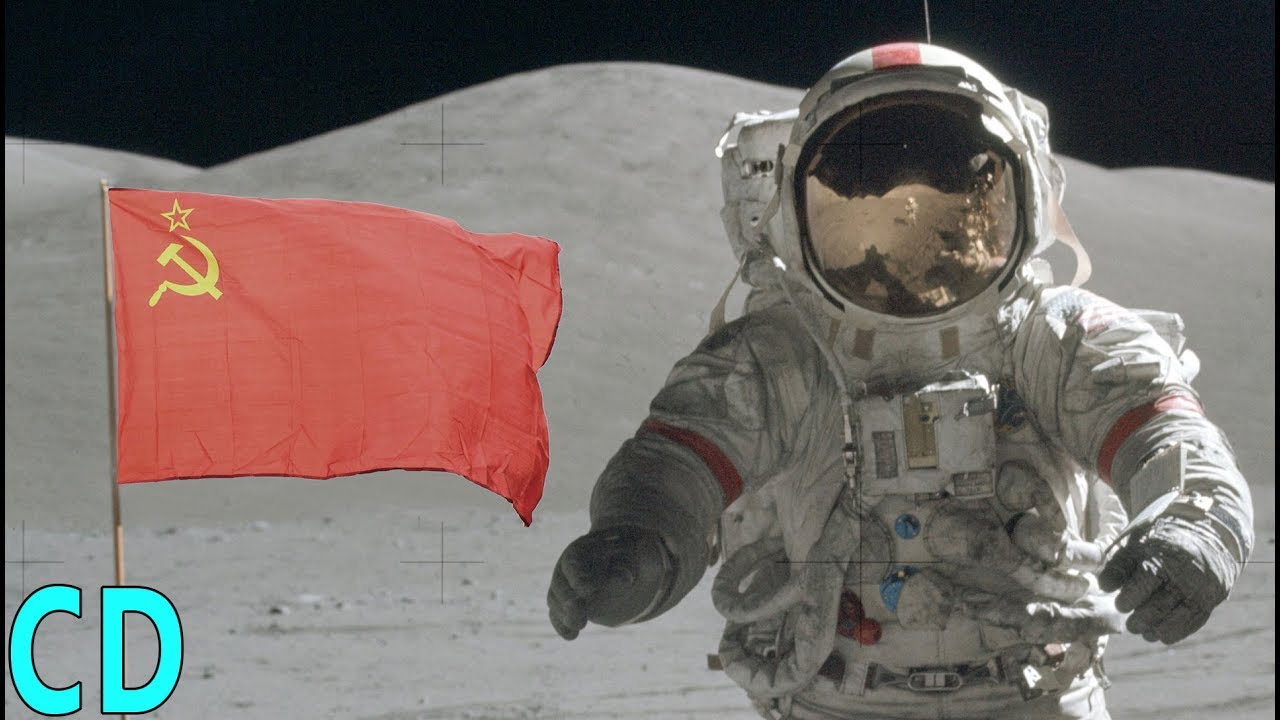
so why didn't Russia put a man on the
moon. At the time the Soviets were
0:46
leading in the space race, they had
already started with the launch of
0:49
Sputnik, then launched several probes to
the moon including one in 1959 that
0:55
orbited and taken photos of the far side
and by 1961 they put the first man into
1:02
space,
1:03
so when Kennedy made his now-famous "We choose to go to the moon" speech in 1962
1:09
to rally public support the Soviet
leader Khrushchev’s response was silence,
1:15
neither confirming nor denying that they
had a plan for manned moon missions but
1:20
at the time Khrushchev wasn't really
interested in competing with the US over
1:25
the moon,
Advertisement
1:25
he was more interested in ICBMs the
intercontinental ballistic missiles for
1:31
strategic rocket forces of the Soviet
Union but there were others in the
1:36
Soviet Union that had harbored plans for
a manned moon mission for a long time
1:41
these included the man whose name was a
state secret and the most powerful man
1:45
outside the Kremlin when it came to
space he was Sergei Pavlovich Korolev,
1:51
off outside the inner circle of the top
space scientists he was known only as
1:55
the "Chief designer" or by his first two
initials "SP" because the Soviet
2:01
leadership feared that the Western
powers would send agents to try and
2:04
assassinate him.
2:05
Korolev was the man who was behind many of the Soviet space successes and the
2:10
head of the OKB1 the design bureau, he
oversaw Sputnik and the manned missions
2:15
including the first man in space
2:17
"Yuri Gagarin". His authority extended over
most everything to do with space his
2:22
design group worked on missions to Mars
and Venus, communication
2:26
and spy and weather satellites, ICBMs and
the soviet manned moon missions. Korolev
2:32
have had a huge amount of control over
the space program, in administrative
2:36
power he was almost a one-man version of
NASA, covering areas that in the US were
2:42
done across multiple aerospace companies
and flight centre's but even a man of
2:46
his power and connections didn't get
everything his own way. He had to
2:50
continuously fight against rival
designers and design groups. Although
2:54
Korolyev wanted the moon missions
himself, in 1964 the job was given to his
2:59
rival, Vladimir Chelomei because of his
patronage by Khrushchev but his lack of
3:04
experience meant that the missions
progressed slowly. The progress of Apollo
3:10
on the other hand worried the chief
designers and as a result of this and
3:14
the infighting between the design
bureaus meant that they were multiple
3:18
overlapping designs for the moon
missions at one point there were 30
3:23
different designs for launchers and
spacecraft. In 1964 the Soviet Leader
3:29
Khrushchev was replaced by Leonard
Brezhnev, Korolev was given the
3:33
complete control over the moon missions
and pushed through his designs ahead of
3:38
Chelomei’s and the decision finally to
compete for the moon was given with the
3:43
aim to land in 1967, the 50th
anniversary of the october revolution
3:48
and to get there before the Americans.
This however created a problem for
3:53
Korolev, in order to lift a payload
weight of 95 tons he needed a very large
3:59
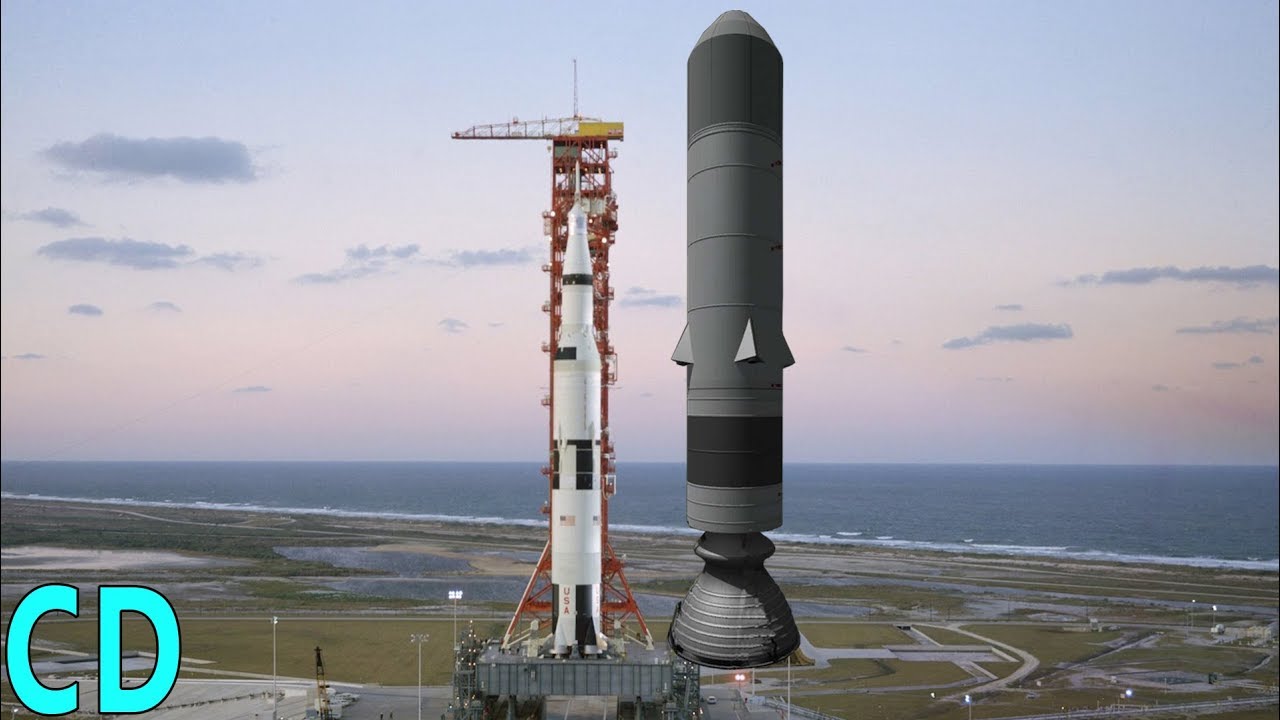
rocket this new rocket will be called
the N1, be as big as the American Saturn 5 and
4:06
would require new large powerful engines
similar to the F1 rocket engines used in
4:12
the Saturn. Valentin Glushko was the
leading rocket designer at the time and
4:17
the head of the OKB 456
Bureau which had a near-monopoly when it
4:22
came to rocket design and production. He
specialized in making engines that used
4:27
hypergolic propellants, these consist of
a fuel and oxidizer that when mixed
4:33
together spontaneously ignite when they
come into contact with each other.
4:37
Korolev thought these were too
4:38
dangerous for manned missions due to the
highly toxic and corrosive nature of the
4:43
chemicals used to make up the fuel. Glushko said that it was not possible to
4:48
create a new large engine design that
used cryogenic fuel of liquid oxygen and
4:54
kerosene and get it ready in time with
limited resources and cash.
4:59
He also cited that at the time the
Americans had been working on cryogenic
5:04
engines for the Saturn for 5 years
and still hadn't got them to work
5:08
reliably. There was also a personal
problem between the two men Korolev
5:13
blamed Glushko for denouncing him in the
great purge under Stalin in 1938
5:19
leading to Korolev's near death
serving 6 years in a Soviet labour
5:23
camp. Glushko on the other hand considered Korolev's to be irresponsibly cavalier
5:28
and autocratic towards things which were
outside of his own of competence. This
5:33
clash between them led to Glushko
refusing to work for Korolev and
5:38
caused delays the overall program
5:40
Korolev was forced to find a new engine
designer and gave the job to Nikolai
5:46
Kuznetsov who was a leading jet engine
designer but had not designed a rocket
5:51
engine before. The Kuznetsov
design bureau looked at the problem and
5:55
realized that creating a rocket engine
was not that different to the jet
5:59
engines they were used to but they ran
into the same problem as Glushko, in
6:04
that the Soviets simply didn't have the
industrial infrastructure that the
6:09
Americans did to produce a new large
engine. The solution they came up with
6:14
was innovative but would have both
negative and positive outcomes. Where the
6:20
Americans used 5 large engines for
the initial booster stage of Saturn,
6:25
Korolev was forced to use 30 small but
highly efficient engines arranged in a
6:31
ring of 24 around the base and 6 at
the center in order to achieve the thrust
6:38
required. The design of these engines was
very advanced and used a method called
6:42
for closed-cycle system this was capable
of boosting the efficiency
6:47
power to levels to that which were believed
impossible before. The Americans had
6:52
known about the closed cycle system but
thought it was too difficult and
6:56
dangerous as the high-pressure
high-temperature oxygen method could
7:01
cause the engine to burn up, so they used
for more reliable but less efficient
7:06
open cycle system but with much larger
engines. It had only been possible for
7:11
the Soviets to create a closed-cycle
engine because they had secretly
7:16
developed advanced stainless steel
alloys something which the Americans
7:20
didn't know about at of the time.
Using so many smaller engines allowed the
7:25
N1 rocket to create more power than the
Saturn but the likelihood of one or more
7:31
of them failing and making a rocket
unstable was much greater. One of the
7:36
main problems was the complex fuel
plumbing that was required to supply all
7:40
the engines which in time proved to be a
very fragile system. But just as the
7:46
Soviets were working on the new engines,
in 1966 Korolev died after undergoing a
7:53
routine operation, this was a setback
because Korolev had a unique set
7:58
of abilities and connections and was the
major driving force behind making sure
8:02
that the moon missions would be
delivered. The work of continuing fell to
8:07
Vasily Mishkin, Korolev’s deputy but
Mishkin didn't have the political
8:11
astuteness or power of his old boss. The
Soviets also didn't have the facilities
8:17
to test all 30 of the engines of the
main stage at once before they were
8:23
mounted to the rocket. The Baikonur
launch complex could also not be reached
8:28
by heavy barges so the whole rocket had
to be broken down into sections
8:32
transported by rail and then rebuilt
again at the launchpad.
8:36
This meant that the development of the
N1 rocket as a whole was still ongoing
8:41
when it came to the launches, so it was
almost expected that there would be
8:46
failures. The Soviets planned 14 launches
the first 12 will be unmanned
8:51
and the last two would be the manned
lunar missions. On the 21st February 1969
8:58
the first N1 rocket was prepared for
launch. This would be the first time that
9:03
the whole system had been tested in fact
it was revealed later but only two out
9:08
of every batch of six engines had even
been run before the launch. This was in
9:13
contrast to the Americans which were
fully able to test their F1 engines
9:18
before the Saturn was assembled. Once
that have been done it was removed from
9:23
the assembly building to the launchpad
nearby, fully assembled tested and ready
9:28
to go. Within seconds of the launch of
the engine control system which was
9:33
called Kord shut down 2 the 30 stage
one engines, then self oscillating
9:38
vibration started in the fuel system due
to unstable combustion in some of the
9:43
engines, this ruptured fuel lines which
caught fire and burned through
9:47
electrical control wiring, this then
caused the KROD system to incorrectly
9:52
shut down all of the engines 68 seconds
into the flight and the rocket crashed
9:57
32 miles from the launch pad. After the
investigation and subsequent
10:02
modification, the second flight was due
for the 3rd July 1969, the launch
10:08
took place at 11:18 p.m. as the rocket
cleared the tower the liquid oxygen
10:13
turbo pump on engine number eight
exploded causing a fire which
10:17
triggered KORD to shut down all the
engines except one, the N1 fell back onto
10:23
the launch pad with nearly 2,300 tonnes
of rocket fuel on board, the resulting
10:30
explosion was one of the largest ever to
happen and was the equivalent of 3.8
10:35
kilotons of TNT or a small nuclear bomb.
It destroyed the launch complex, blasted
10:42
debris over 6 miles away and was
visible over 22 miles away. Some 30
10:48
minutes after the blast when launch
crews were allowed onto the site they
10:53
found droplets of unburned
10:55
rocket fuel still raining down from the
sky and afterwards it was discovered
10:59
that 85% of the rocket
fuel did not detonate which actually
11:04
reduced the size of a blast. 17 days
later
11:08
Neil Armstrong became the first man on
the Moon with the Apollo 11 mission and
11:13
although the race for the moon had been lost,
the Soviets carried on. The blast caused a
11:19
two-year delay whilst the launch complex
was rebuilt and further modifications
11:24
were made to the rocket. In November of
1971 the third attempt also failed due
11:30
to unexpected Eddie and counter currents
in the base of the main stage causing
11:35
the rocket to roll uncontrollably and
ultimately break up due to the stress on
11:40
its structure.
11:41
One year later in November 1972 the
fourth and final launch also failed 107
11:49
seconds into the flight after the
program shutdown of the six centre
11:53
engines caused a hydraulic shock wave to
rupture the fuel pipes and start a fire,
11:57
the main stage then exploded shortly
afterwards.
12:01
Although there had been four previous
launch failures the Soviets had actually
12:06
made huge progress and the design by
trial and error was believed to have
12:10
ironed out all the problems but by the
time of the fifth launched in August
12:15
1974 the whole moon mission was
cancelled by Brezhnev
12:19
By this time the Americans had been to
the moon six times and public interest
12:25
in space was waning. One theory is that
if the fifth launch had been successful
12:31
it would have forced the Soviets to
carry on the lunar mission where the
12:34
main goal of beating the USA had already
been lost. The cancellation of the
12:39
project was therefore a way of sweeping
a very expensive undertaking under the
12:44
carpet. Vasily Mishkin was ultimately
fired and replaced by Glushko but by
12:49
1976 the N1 rocket program was scrapped.
12:54
The rockets were broken up to hide the
failure and to make the U.S. think that
12:58
the space race was still ongoing.
13:00
It wasn't until Gorbachev's period of "Glasnost"
when this cover story was blown and the
13:05
true story of the failed Soviet moon
mission became widely known about and
13:10
why the Russians didn't put a man on the
moon. But there is a strange twist to the
13:17
end of this story, the NK 43 rockets that
had been developed for the N1 were by
13:24
the end much more reliable and the most
efficient and powerful rocket engines
13:29
for their size ever made. 20 years after
they were meant to have been destroyed
13:34
on order of a Kremlin, 60 of them were
rediscovered and sold to be Americans
13:40
for $1.1 million dollars each.
13:43
A subsequent new larger model the RD-180
based on the technology of the NK 43 is now
13:51
built by the Russians and used by the
Americans for their Atlas 5 heavy launch
13:57
vehicle.
14:00
Thank you for watching I hope you
enjoyed the video and if you did then
14:05
please thumbs up, subscribe, share and
comment and don't forget we have other
14:11
videos available which you may also find
interesting on the link was showing now
14:15
so until the next time it's goodbye from
me :-)
— end of transcript —
Advertisement